
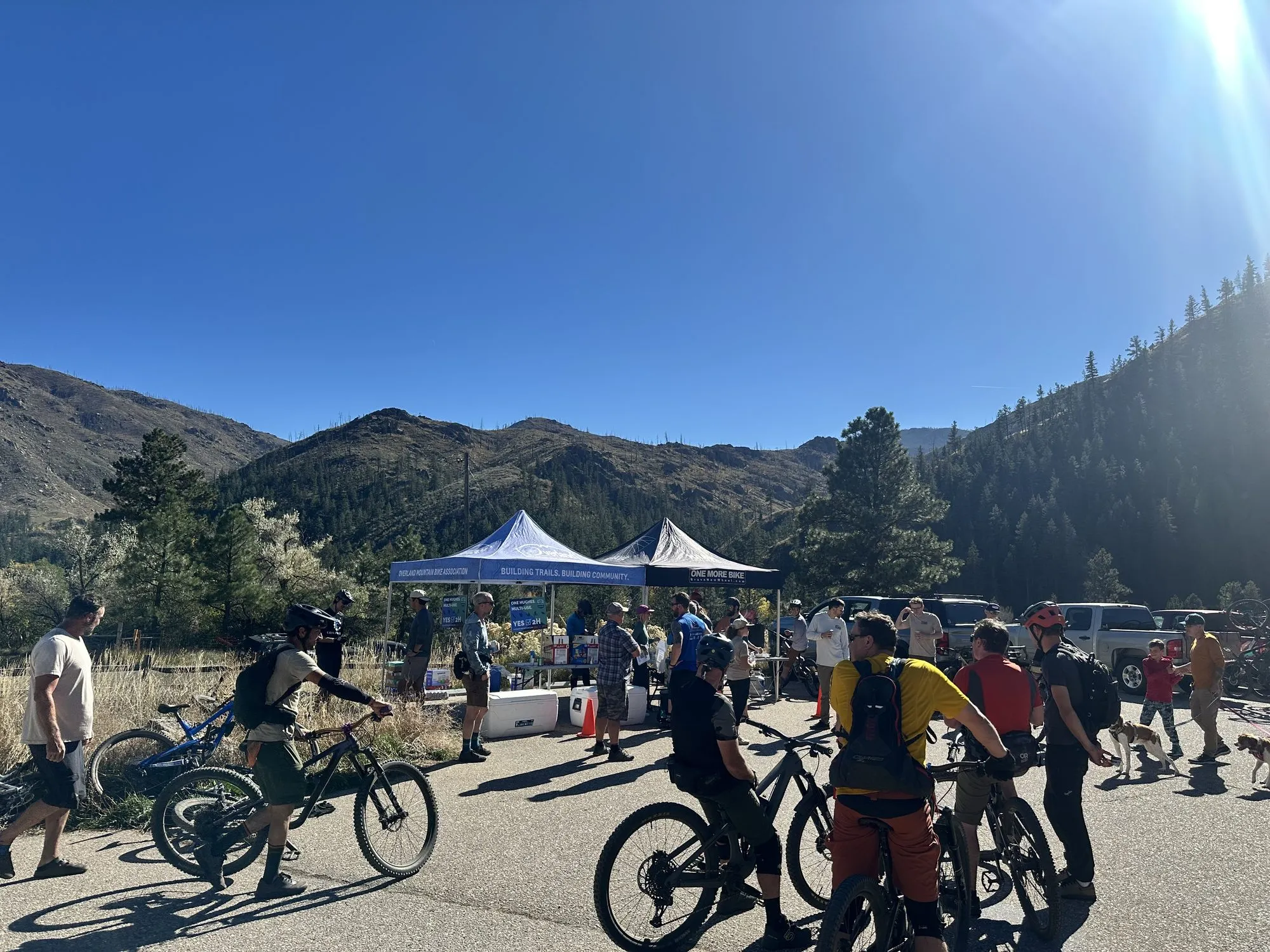

Every outdoor event starts the same way: a good idea, a date on the calendar, and a lot of hope. Then the day comes and you get one of two outcomes. Either the parking lot is full, the demo fleet never sits still, and people ask when the next one is. Or it's the shop staff, a few regulars, and a cooler full of drinks nobody drank.
The difference almost never comes down to the weather or luck. It comes down to a handful of decisions made four to eight weeks before anyone sets up a tent. We've run group rides, surf mornings, demo days, trail launches, and festival activations from the shop side, the brand side, and the agency side. This is the process we use to plan outdoor events that people actually show up for, and come back to.
Why most outdoor events don't draw a crowd
When an event underperforms, it's usually for one of these reasons:
- It was built for everyone, so it spoke to no one. "Anyone who likes bikes" isn't an audience you can reach.
- The only reason to come was a discount. Nobody drives an hour for 15% off something they can buy online tonight.
- Promotion started too late. One flyer and a single social post the week before is not a promotion plan.
- It clashed with something else. A local race, a school event, or the first good powder day of the season.
- Nobody owned the details. No check-in, no signage, no rain plan, and no way to capture who came.
Every step below is built to fix one of those problems before it happens.
Step 1: Pick one audience and one goal
Before you choose a date or a format, answer two questions in one sentence each: who is this for, and what does success look like?
Good answers are specific. "Riders who are new to mountain biking and want to try a trail bike before they buy one." "Local families who've never been to the river access we just opened." "The Thursday night crew, so they bring their friends."
Goals should be just as concrete. Pick one or two you can actually count:
- Number of people who show up, or who RSVP
- Test rides, demos, or clinic sign-ups
- New email subscribers or loyalty members
- Sales or service bookings in the two weeks after
- Dollars raised for a trail group or local cause
Everything else, from the format to the time of day to the food, gets decided by who you picked and what you want them to do.
Step 2: Choose a format that fits
Different formats do different jobs. A few that work well in the outdoor world:
- Demo day: Best for getting new product under people who are close to buying. Pair a brand's demo fleet with a shop that can follow up on sales.
- Group ride, paddle, or hike: Best for building a regular community. Low cost, easy to repeat, and great for weekly or monthly programming.
- Skills clinic: Best for beginners and for bringing new people into the sport. Clinics on cornering, casting, waxing, or trail maintenance give people a reason to come that isn't buying.
- Trail day or cleanup: Best for partnering with a trail group and showing you give back, not just sell.
- Film night or speaker night: Best for the off-season, when people can't get outside but still want to hang out.
- Festival or multi-day event: Best for towns and destinations that want to bring visitors in and show off the trails, rivers, shops, and restaurants all at once.
If it's your first event, start small. A well-run group ride with 30 people is worth more than a half-full festival.
Step 3: Lock in the date, the place, and the permissions
Check the local calendar before you commit. Look for races, other shops' events, school breaks, holiday weekends, and the times of year your sport is busiest or quietest. In many places, Saturday morning is the sweet spot: people are already planning to be outside, and you're done before the rest of the day fills up.
For the location, think through:
- Parking and access. Where do 50 or 100 cars go? Is there room to stage a demo fleet or a check-in tent?
- Bathrooms, shade, and water. Small details that decide whether people stay for an hour or for the whole morning.
- Permission to use the space. Trail systems, parks, rivers, and public land often require a permit or approval from the land manager or landowner for organized events. Ask early, because approvals can take weeks.
- Insurance and waivers. Demo rides, guided trips, and clinics usually need liability coverage and signed waivers. Check with your insurer and any brand partners about what they require.
- A bad-weather plan. Decide ahead of time what weather moves the event, what cancels it, and how you'll tell people.
Step 4: Build an experience worth the drive
The question to ask is simple: why would someone give up their Saturday morning for this? The answer should never be just "a sale." Lead with the experience and the sales will follow.
Things that give people a real reason to come:
- A guided ride, paddle, or hike led by someone people want to ride with
- Demo gear they can't easily try anywhere else
- A short clinic or skills session for beginners
- Good coffee in the morning, or a food truck and a cold drink after
- A raffle or giveaway that supports a trail group or local cause
- A photographer, so people get great shots of themselves doing the thing they love
Then design the day around how people will actually move through it: where they park, where they check in, where they wait, what they do while they wait, and where they end up hanging out afterward. The best events have a natural gathering spot at the end, because that's where the community actually forms.
Step 5: Bring in partners early
Brands, local shops, trail groups, breweries, coffee shops, and the town itself all want the same thing: more people outside, spending time and money locally. When you bring them in early and give each one a clear role, the event gets bigger without your budget getting bigger.
What to ask for from each type of partner:
- Brands: A demo fleet, a rep on site, product for giveaways, or help covering costs in exchange for visibility.
- Local shops: Mechanics or guides on site, promotion to their customers, and follow-up for anyone who wants to buy.
- Trail groups and clubs: Ride leaders, local knowledge, and their mailing lists. In return, they can be the cause the event supports.
- Food and drink: Coffee for the morning, a food truck or brewery for after.
- The town or tourism board: Help with permits, promotion through their channels, and a reason for visitors to stay for lunch.
Put every partner's role in writing, even if it's a short email. Who's bringing what, who's paying for what, who's promoting it, and where their logo shows up.
Step 6: Promote it like it matters
Most events fail on promotion, not on the event itself. Here's a simple timeline that works for most local outdoor events:
- Six weeks out: Lock the date, details, and partners. Create a simple event page or registration link, and make the core artwork: one poster design you can resize for social, email, and in-store signs.
- Four to five weeks out: Announce it. Email your list, post on social, hang the poster in the shop, and ask every partner to share it with their audience. Add it to local event calendars and to your Google Business Profile.
- Two to three weeks out: Share the details that make people commit: who's leading the ride, what gear will be there, the route, the food. Post a short video or photos from a past event if you have them.
- The week of: Send a reminder to everyone who signed up, with parking, timing, and what to bring. Post a countdown and the weather plan.
- The day before: A final "see you tomorrow" with the start time and location.
Ask people to RSVP or register, even if the event is free. A free RSVP gives you a headcount, lets you send reminders, and builds your email list for next time.
Step 7: Plan the day so it runs itself
Write a simple run of show: what happens at each time, who's responsible, and what they need. On event day, you want everyone to know their job without asking you.
- Check-in: A table at the entrance where people sign waivers, get a wristband, and give you their email.
- Signage: Clear signs from the road, the parking area, and around the site, so people never have to wonder where to go.
- Roles: Someone on check-in, someone on the demo fleet, ride leaders, someone on photos, and one person whose only job is to solve problems.
- A few things in reserve: Spare tubes, a first aid kit, extra waivers, water, and a backup plan for if the ride leader gets a flat.
Step 8: Follow up within 48 hours
The event isn't over when the tent comes down. Within two days, send everyone who came a thank-you email with the photos, a short survey, and a clear next step: the date of the next ride, a demo-day discount, or a link to book a fitting. Post the best photos and tag everyone who was part of it, including partners.
Then sit down with your team and partners and look at what happened. How many people came? How many were new? What did people love, and what slowed things down? Write it down while it's fresh, because those notes are what make the second event better than the first.
Make it a series, not a one-off
One great Saturday is nice. A season of them builds a community. The events that become local traditions usually share a few things: the same day and place each time, a format simple enough to repeat without burning out the team, and a little something new each round so regulars still want to come.
Quick outdoor event planning checklist
- One clear audience and one or two goals you can measure
- A format that fits the audience and the goal
- Date checked against the local calendar
- Location with parking, bathrooms, and permission to use it
- Insurance, waivers, and a bad-weather plan
- An experience worth the drive, not just a sale
- Partners with clear roles in writing
- Promotion starting at least four to six weeks out
- A free RSVP or registration link
- A run of show with every role assigned
- A follow-up email within 48 hours
Frequently asked questions
How far in advance should you plan an outdoor event?
For a group ride or clinic, four to six weeks is usually enough. For a demo day with brand partners, plan eight weeks or more, since demo fleets and reps get booked early. Festivals and multi-day events often take six months or longer, especially if permits are involved.
Do I need a permit for a group ride or outdoor event?
It depends on where you hold it and how big it is. Organized events on public land, in parks, or on private trail networks often need a permit or landowner approval. Always check with the land manager before you promote the event.
How do I get a brand to bring a demo fleet?
Show them who will be there and why it matters to them. Brands want to put product in front of people who are likely to buy, ideally with a shop nearby that can close the sale. Reach out early, share your expected turnout and audience, and explain how you'll promote their presence.
Should an outdoor event be free or paid?
Free events with a required RSVP are great for building community and growing your list. A small fee can make sense when you're covering real costs like guides, food, or rentals, and it can cut down on no-shows. Many events stay free and support a cause through donations or a raffle.
How do you measure if an event was worth it?
Go back to the goal you set in step one. Count attendance and new faces, then look at what happened in the two weeks after: sales, service bookings, new email subscribers, and repeat visits.
Need help pulling it off?
Some events start as a sketch on a napkin, and others already have a date and just need help getting done. Our Events & Activations work covers both: shaping the concept and partners, or creating everything people see, from the poster to the on-site signage. If your event is part of a bigger push to bring people to town, take a look at our Towns & Destinations work too.
Got an event idea that needs a plan? Tell us about it.